
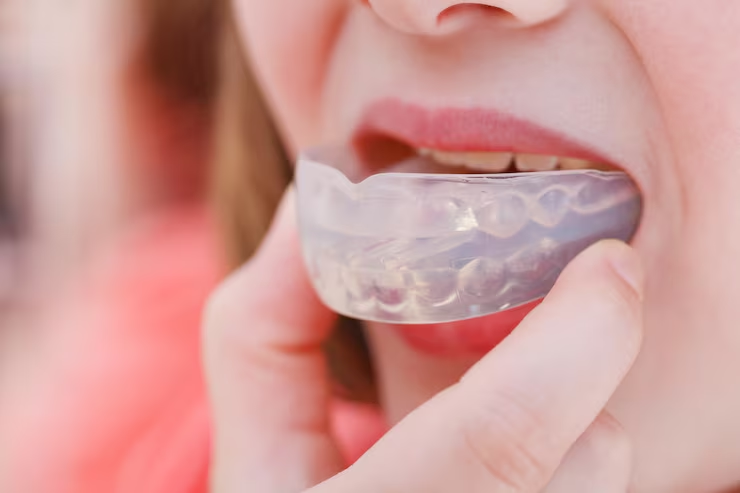
Keeping your mouthguard clean is essential for both oral health and the longevity of the appliance. Bacteria, plaque, and food particles can build up if it’s not properly maintained, leading to bad odors or even infections. Here’s a comprehensive guide on cleaning your mouthguard effectively.
How to Properly Clean Your Mouthguard
Daily Cleaning Routine
After every use, rinse your mouthguard with cool water. Avoid hot water, as it can warp the material. Gently brush it with a soft toothbrush to remove surface debris. Doing this daily prevents plaque and bacteria from accumulating.
Using Toothpaste and a Toothbrush
Lightly brush your mouthguard using non-abrasive toothpaste. Avoid whitening or gel-based toothpastes that can be too harsh and damage the guard. Use small circular motions and rinse thoroughly with water afterward.
Rinsing with Mouthwash
Occasionally rinsing your mouthguard in an alcohol-free mouthwash can help kill bacteria and keep it smelling fresh. Make sure to choose a mild mouthwash to avoid degrading the mouthguard material.
Deep Cleaning Methods for Mouthguards
Soaking in Denture Cleaner
For a deeper clean, soak your mouthguard in a denture-cleaning solution. Follow the instructions on the package, typically 5–10 minutes, then rinse thoroughly. This method effectively removes stubborn bacteria and plaque.
Using Hydrogen Peroxide or Vinegar
A mixture of equal parts water and hydrogen peroxide or white vinegar can be used to soak the mouthguard for 10–15 minutes. These natural solutions help disinfect the mouthguard without causing damage.
Ultrasonic Cleaners for Professional Cleaning
For athletes or frequent users, ultrasonic cleaners are an advanced option. These devices use sound waves to remove microscopic debris, providing a professional-level clean from home.
Tips to Maintain a Fresh and Safe Mouthguard
Storing Your Mouthguard Correctly
Always store your mouthguard in a ventilated case to allow air circulation and prevent bacterial growth. Avoid leaving it in your bag or car where heat and bacteria can accumulate.
Avoiding Harmful Cleaning Practices
Never boil or use harsh chemicals to clean your mouthguard, as these can warp or damage it. Avoid brushing too aggressively with hard-bristled brushes.
Knowing When to Replace Your Mouthguard
Inspect your mouthguard regularly for cracks, tears, or signs of wear. Replace it immediately if damaged, as compromised guards lose protection and harbor more bacteria.
FAQ
Q: How often should I clean my mouthguard?
A: Rinse it after every use and perform a deep clean at least once a week.
Q: Can I use toothpaste every time I clean it?
A: Light brushing with mild toothpaste is fine daily, but avoid abrasive pastes that can scratch the surface.
Q: Is it safe to soak my mouthguard overnight?
A: No, prolonged soaking in some solutions can degrade the material. Stick to the recommended soaking time.
Q: How do I prevent my mouthguard from smelling bad?
A: Regular rinsing, proper storage, and occasional soaking in denture cleaner or mild disinfectant solutions help keep odors away.
For more details: https://www.nytimes.com/wirecutter/guides/how-to-clean-retainer-mouthguard/