
Introduction to Honey Bee vs Bumblebee
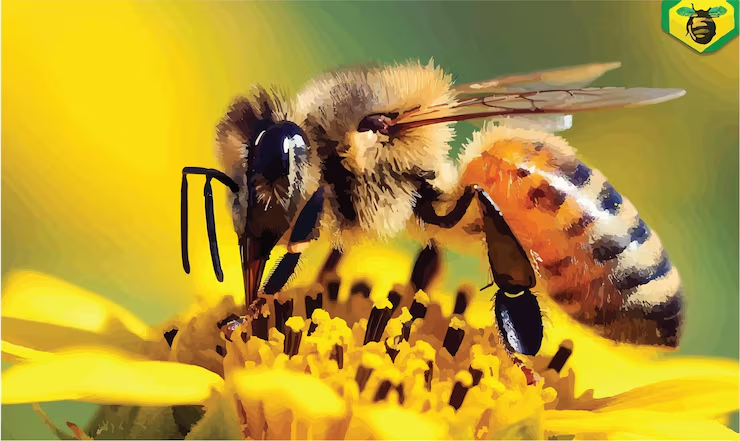
Why People Often Confuse Honey Bees and Bumblebees
Honey bees and bumblebees are often mistaken for one another because they share similar black-and-yellow coloring and both play vital roles as pollinators. To the untrained eye, they may look alike, especially when quickly flying between flowers.
Overview of Their Roles in Nature
Both species are essential for pollination, helping plants reproduce and supporting ecosystems. They contribute significantly to agriculture by improving crop yields and maintaining biodiversity.
Physical Differences Between Honey Bees and Bumblebees
Size, Shape, and Body Structure
Bumblebees are generally larger, rounder, and more robust than honey bees. Honey bees have a slimmer, more elongated body shape, making them appear less bulky.
Color Patterns and Hairiness
Bumblebees are noticeably fuzzier due to dense hair covering their bodies, which helps them collect pollen efficiently. Honey bees, on the other hand, are less hairy and have more defined striping.
Wings and Flight Characteristics
Bumblebees have slower, more deliberate flight patterns and can hover better. Honey bees tend to fly faster and more directly between flowers.
Behavior and Social Structure
Colony Size and Organization
Honey bees live in large colonies that can contain tens of thousands of individuals, with a highly organized social structure. Bumblebee colonies are much smaller, usually consisting of a few hundred members.
Communication and Cooperation
Honey bees are known for their advanced communication, including the famous “waggle dance” used to share information about food sources. Bumblebees also communicate but in simpler ways.
Seasonal Activity and Lifespan
Honey bee colonies survive year-round, especially in managed hives. Bumblebee colonies are seasonal, with most members dying off in winter, leaving only the queen to survive.
Nesting and Habitat Differences
Where Honey Bees Build Their Hives
Honey bees build structured hives using wax, often in tree cavities or man-made beehives. These hives are highly organized and designed for long-term use.
Where Bumblebees Create Their Nests
Bumblebees prefer nesting underground or in sheltered spaces like abandoned rodent burrows. Their nests are less structured compared to honey bee hives.
Adaptation to Different Environments
Bumblebees are better adapted to colder climates due to their ability to regulate body temperature. Honey bees thrive in a wider range of environments but are more sensitive to cold.
Honey Production and Food Storage
Why Honey Bees Produce Large Amounts of Honey
Honey bees produce honey as a long-term food supply, especially to survive winter. They store large quantities in their hives.
Bumblebee Honey Production Explained
Bumblebees also produce a small amount of honey, but only for immediate consumption within the colony. They do not store large reserves.
Differences in Food Storage Habits
Honey bees are efficient hoarders, while bumblebees operate more on a short-term storage system.
Pollination Efficiency and Ecological Impact
Which Bee Is a Better Pollinator?
Both are excellent pollinators, but bumblebees are often more effective for certain plants because they use “buzz pollination,” a technique that releases more pollen.
Types of Flowers They Prefer
Bumblebees are especially effective with deep or complex flowers, while honey bees prefer open, easily accessible blooms.
Importance in Agriculture and Ecosystems
Both species are crucial to global food production and natural ecosystems. Without them, many crops and wild plants would struggle to reproduce.
Sting and Defense Mechanisms
Honey Bee Stinging Behavior
Honey bees can sting only once because their stinger becomes lodged in the skin, leading to their death after stinging.
Bumblebee Stinging Ability
Bumblebees can sting multiple times since their stinger is smooth and does not get stuck.
Aggression and Human Interaction
Both bees are generally non-aggressive and will only sting when threatened. Bumblebees are often considered slightly more docile.
Key Differences at a Glance
Side-by-Side Comparison Table
| Feature | Honey Bee | Bumblebee |
|---|---|---|
| Size | Smaller, slender | Larger, rounder |
| Colony Size | Thousands | Hundreds |
| Honey Production | Large quantities | Small amounts |
| Nesting | Structured hives | Underground nests |
| Sting | Once | Multiple times |
| Lifespan Colony | Year-round | Seasonal |
Quick Identification Tips
If the bee looks fluffy and large, it’s likely a bumblebee. If it appears smaller and sleeker, it’s probably a honey bee.
Conclusion: Honey Bee vs Bumblebee – Which Is More Important?
Their Unique Contributions to Nature
Both honey bees and bumblebees offer unique benefits. Honey bees are crucial for large-scale agriculture, while bumblebees excel in pollinating specific plants.
Why Both Species Matter
Rather than choosing one over the other, it’s important to recognize that both species are essential. Protecting their populations ensures a healthy environment and stable food systems.
FAQ
What is the main difference between honey bees and bumblebees?
The main difference lies in size, behavior, and honey production. Bumblebees are larger and produce less honey, while honey bees live in large colonies and produce significant amounts.
Can bumblebees make honey?
Yes, but only in small amounts for immediate use. They do not store honey like honey bees.
Which bee is more aggressive?
Neither is naturally aggressive. Both will sting only if they feel threatened.
Why are bumblebees better pollinators for some plants?
Bumblebees use buzz pollination, which helps release pollen more effectively from certain flowers.
Do honey bees and bumblebees live together?
No, they live in separate colonies and have different nesting habits.