
What Is Hybrid Light Tanning?
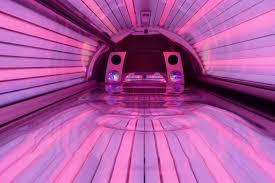
Definition and Basic Concept
Hybrid light tanning is a modern tanning method that combines ultraviolet (UV) light and red light therapy in a single session. Unlike traditional tanning beds that rely only on UV rays, hybrid systems aim to deliver both tanning and skin-enhancing effects simultaneously.
How Hybrid Tanning Differs from Traditional Tanning
Traditional tanning beds use UV light alone to darken the skin. Hybrid tanning, however, adds red light wavelengths (typically around 620–680 nm) alongside UV exposure, creating a dual-effect system.
How Does Hybrid Light Tanning Work?
The Role of UV Light in Tanning
UV light—especially UVA and UVB—stimulates melanocytes in the skin to produce melanin. This is what causes your skin to darken or “tan.”
The Function of Red Light Therapy
Red light therapy works differently. It penetrates the skin and supports cellular activity, including collagen production and tissue repair, rather than causing pigmentation.
Combined Effects in Hybrid Tanning Beds
In hybrid beds, both light types operate at the same time. The UV component creates the tan, while the red light is marketed as improving skin texture, circulation, and overall appearance.
Does Hybrid Light Tanning Actually Work?
Effectiveness for Skin Tanning
Yes—but only because of the UV light. Hybrid tanning works for bronzing the skin just like a standard tanning bed. The red light itself does not contribute to tanning.
Impact on Skin Health and Appearance
Some users report smoother or more radiant skin due to red light exposure. However, research suggests that the red light in many hybrid beds may be too weak to deliver significant therapeutic benefits.
How Fast Results Appear
Tanning results can appear within hours to days, depending on skin type and UV exposure. The “skin improvement” effects, if any, usually take longer and are less noticeable.
Benefits of Hybrid Light Tanning
Potential for a More Even Tan
The combination of UV and red light may help produce a more even-looking tan and reduce dryness.
Skin Rejuvenation Claims
Red light is often associated with collagen support and improved skin tone, which is why hybrid beds are sometimes marketed as “beauty” or “collagen” beds.
Convenience of Dual Technology
Hybrid tanning allows users to get both tanning and light therapy in one session instead of using separate devices.
Limitations and Risks
UV Exposure and Health Concerns
Hybrid tanning still exposes you to UV radiation, which can damage DNA, accelerate skin aging, and increase the risk of skin cancer.
Misconceptions About “Safer” Tanning
A common misconception is that red light makes tanning safer. In reality, it does not cancel out UV damage—you are still exposed to the same risks as traditional tanning.
Who Should Avoid Hybrid Tanning
People with sensitive skin, a history of skin cancer, or those taking photosensitive medications should avoid UV-based tanning methods altogether.
Hybrid Light Tanning vs Other Methods
Hybrid vs Traditional UV Tanning Beds
Hybrid beds offer the same tanning effect but add red light features that may slightly enhance skin appearance.
Hybrid vs Red Light Therapy Only
Pure red light therapy does not tan the skin at all and carries no UV-related risks.
Hybrid vs Sun Tanning
Sun tanning also relies on UV exposure but is less controlled compared to indoor hybrid systems.
Tips for Using Hybrid Tanning Safely
Recommended Session Frequency
Limit sessions and allow time between exposures to reduce the risk of overexposure.
Skin Preparation and Aftercare
- Clean skin before tanning
- Moisturize afterward
- Stay hydrated
Protective Measures During Use
Always wear protective eyewear and follow salon guidelines for safe exposure.
Conclusion: Is Hybrid Light Tanning Worth It?
Key Takeaways
Hybrid light tanning does work—but mainly because of UV light. The red light component may provide minor skin benefits, but it does not replace or reduce the risks associated with UV exposure.
Who Might Benefit the Most
People looking for a convenient tanning option with added (though limited) skincare features may find hybrid tanning appealing—but it’s not necessarily safer.
FAQ About Hybrid Light Tanning
Is hybrid tanning safer than regular tanning?
No. It still involves UV exposure, which carries the same risks as traditional tanning.
Can red light alone tan your skin?
No. Red light therapy does not stimulate melanin production and cannot tan the skin.
How long does a hybrid tan last?
Typically 5–10 days, depending on skin type and aftercare routine.
Is hybrid tanning suitable for sensitive skin?
It may not be ideal, as UV exposure can irritate sensitive skin and cause damage.
Source: Wirecutter (NYTimes) article