
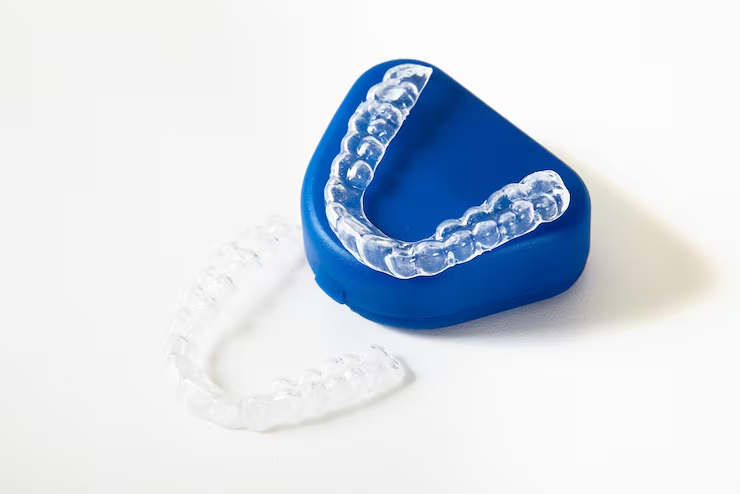
Keeping your night guard clean is essential for oral health, comfort, and extending the life of the guard. Since the night guard sits in your mouth every night, it can collect bacteria, plaque, food particles, and odor if not cleaned properly. Regular cleaning helps prevent bacterial buildup, bad breath, and potential infections.
Why Cleaning Your Night Guard Matters
Night guards can become breeding grounds for bacteria, yeast, and plaque because they remain in contact with saliva and the bacteria naturally present in your mouth. Without routine cleaning, these microbes can flourish, leading to odor, discoloration, or even gum irritation and infection.
Daily Cleaning Routine for Your Night Guard
Daily Quick Clean (Rinse and Brush)
After you remove your night guard each morning, rinse it thoroughly with cool or lukewarm water to wash away saliva and debris. Use a soft toothbrush and a mild soap or a non‑abrasive cleanser to gently brush all surfaces. Avoid abrasive toothpaste, which can scratch and dull the guard.
Using Soft Toothbrush and Gentle Cleaners
Use a dedicated soft bristle toothbrush (separate from your regular toothbrush) and a mild, alcohol‑free soap or antibacterial rinse. Gently brush around all grooves and edges. Rinse well under cool water until all soap is gone.
Weekly or Deep Cleaning Methods
Soaking in Cleaning Solutions (Tablets, Vinegar, Hydrogen Peroxide)
At least once a week, consider a deeper clean by soaking your night guard in solutions such as:
- A mixture of water and nonabrasive denture/retainer cleaning tablets
- A diluted vinegar and water soak
- A hydrogen peroxide soak
Soak for about 5–15 minutes (or follow the cleaning tablet’s instructions), then rinse thoroughly and let air‑dry. These solutions help break down buildup and reduce odor.
Deep Clean vs. Daily Maintenance
Daily rinsing and brushing keep the guard fresh, but occasional deeper cleaning removes stubborn stains, mineral deposits, and lingering bacteria. Avoid overusing strong solutions or soaking for too long, as this can degrade the material.
What to Avoid When Cleaning Your Night Guard
- Hot water: Can warp plastic guards.
- Abrasive toothpaste: Can scratch the surface and trap bacteria.
- Harsh chemicals (bleach, alcohol, strong mouthwash): Can degrade materials or leave residues.
- Dishwashers or boiling: The heat can permanently alter the guard’s shape.
Following the manufacturer’s instructions and your dentist’s advice is always best.
How to Store and Maintain a Clean Night Guard
After cleaning, always air‑dry your night guard completely before placing it in its ventilated storage case. Trapped moisture encourages bacterial growth. Clean your night guard case regularly with mild soap and water, then let it dry fully before storing the guard.
Store the guard out of direct sunlight and heat to prevent distortion, and avoid placing it on napkins or countertops where it can be forgotten or contaminated.
When to Replace Your Night Guard
Even with proper care, night guards wear out over time. Consider replacing yours if you notice:
- Cracks, tears, or holes
- Persistent bad odor despite cleaning
- Discoloration or change in shape
- A loose or uncomfortable fit
Regularly inspecting your guard and discussing replacement intervals with your dentist helps ensure long‑term oral health.
FAQ (Frequently Asked Questions)
How often should I clean my night guard?
Clean your guard after every use (daily), and give it a deeper cleaning at least once a week or as recommended by your dentist.
Can I use toothpaste to clean my night guard?
It’s better to avoid toothpaste because most are abrasive and can scratch the guard’s surface, creating places for bacteria to hide.
Is it safe to soak my night guard in mouthwash?
Alcohol‑based mouthwashes can damage the guard’s material, so if you soak it, choose an alcohol‑free solution or use it sparingly.
Should I clean the storage case too?
Yes! Clean and dry the storage case regularly to prevent bacteria and mold from transferring to the night guard.
For more details and expert recommendations, see: https://www.nytimes.com/wirecutter/guides/how-to-clean-retainer-mouthguard/
Related content : How Can I Clean My Mouthguard?